

Understanding Fertility: A Comprehensive Guide
Welcome to Universal Ultrasound Diagnostic, your trusted partner in private ultrasound diagnostics in the United Kingdom. Universal Ultrasound Diagnostic prioritises your health by providing state-of-the-art ultrasound services. This comprehensive guide examines fertility in detail, along with the variables that influence fertility and the most recent advancements in fertility treatments. The article will take a detailed look at fertility for both males and females.
What is Fertility
The successful union of sperm and eggs to produce a viable embryo is called fertility. This is also known as the ability to conceive and bear children. This process is enabled by the equilibrium of hormones and the reproductive system in both males and females. A complex interplay of biological, natural, and lifestyle factors affects fertility. For people and couples who want to conceive or who are already having trouble conceiving, it is crucial to understand the fertility journey.

Female Fertility
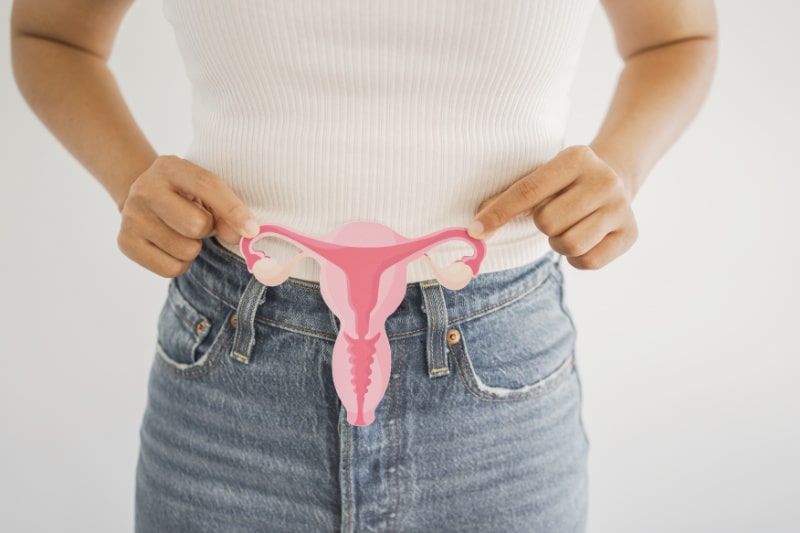
The cycle of menstruation which primes the body for a possible pregnancy each month, is the primary regulator of female fertility. The following are the phases of female fertility:
- Menstruation: If fertilisation is unsuccessful, the uterine lining sheds.
- Follicular phase: This is the initial phase of your menstrual cycle, where the follicle (egg) matures. It begins when you are on your period and finishes when you ovulate.
- Ovulation: Ovulation is the release of an egg that has matured from the ovary. It usually occurs around day 14 of a cycle that lasts 28 days, however, this varies depending on the length of your cycle
- Luteal phase: This is the time after ovulation when the lining of the uterus swells in anticipation of a fertilised egg.
Male Fertility
Male fertility is dependent on the production of healthy sperm and their capability to reach and fertilise an egg. This entails:
- Sperm Quality: The motility, morphology and health of sperm can be affected by numerous factors, including health conditions and lifestyle.
- Spermatogenesis: The production of sperm in the testes.


Factors Affecting Fertility
In general, fertility can be influenced by a range of factors, including lifestyle, environmental exposures, and health conditions.
LIFESTYLE FACTORS
Various lifestyle choices can impact fertility, including:
- Weight: Being either overweight or underweight can disrupt hormonal balance and interfere with ovulation.
- Exercise: While regular physical activity benefits overall health, over-exercising can have a negative impact on fertility.
- Diet and Nutrition: A nutritious, well-balanced diet is the key to supporting reproductive health.
- Alcohol and Smoking: Both can drastically impact fertility in both women and men.
ENVIRONMENTAL FACTORS
Being exposed to toxic substances at work or home, including significant metals, insecticides, and endocrine-disrupting substances, will negatively affect fertility.
Employment factors may include long working hours in high temperatures, which can present risks to reproductive health.
Health Conditions
COMMON FEMALE FERTILITY PROBLEMS
- Polycystic Ovary Syndrome (PCOS): PCOS is a hormonal condition that causes multiple follicles to fill with fluid and leave them unable to mature an egg. Symptoms may include irregular menstrual cycles and elevated androgen levels (a male hormone). Ovulation may be disrupted by this disease, making conception difficult.
- Endometriosis: This disorder causes tissue that resembles the lining of the uterus to develop outside of the uterus, causing pain and possibly infertility. It can obstruct the fallopian tubes or affect how the uterus and ovaries work. There is a new pill just approved by the NHS for treatment of endometriosis.
- Ovulation Disorders: Several hormonal abnormalities can impair the ovary’s ability to release eggs. Normal ovulation can also be hampered by thyroid disorders, which include hyperthyroidism (overactive thyroid) and hypothyroidism (underactive thyroid) as well as hyperprolactinemia (a disease in which the blood contains unusually high quantities of prolactin).
- Tubal Factor Infertility: Damaged or obstructed fallopian tubes can prevent sperm from getting to the egg or the fertilised egg from passing through to the uterus. Infections transmitted by sexual intercourse, pelvic inflammatory diseases, or prior surgeries could be the cause of this.
- Uterine as well as Cervical Abnormalities: Congenital deformities, polyps, or fibroids are examples of structural anomalies in the uterus or cervix that might impair implantation or raise the chance of miscarriage.
- Age-Related Factors: A key determinant of female fertility is age. As women age, particularly beyond the age of 35, their egg production and quality decline, increasing the risk of miscarriages or decreasing the chance of conception.

COMMON MALE FERTILITY PROBLEMS
- Male Factor Infertility: Various illnesses, including varicocele, infections, and hormone imbalances, can impact the generation and quality of sperm.
- Low Sperm Count: Oligospermia, or a low sperm count, is a condition in which a male has less sperm accessible to fertilise an egg. Hormonal imbalances, lifestyle decisions, and hereditary diseases are some of the causes of this condition.
- Poor Sperm Motility: The capacity of sperm to swim effectively is referred to as sperm motility. Sperm may not be able to reach and fertilise an egg if they have poor motility. Varicoceles, or enlarged scrotal veins, infections, or other lifestyle factors may be the source of this problem.
- Abnormal Sperm Morphology: The term “abnormal sperm morphology” describes the shape and structure of the sperm. Sperm penetration may be hampered by abnormal sperm morphology, making them unable to fertilise an egg. This condition may also be caused by environmental exposures, hereditary factors, or infections.
- Ejaculation Disorders: Fertility may be impacted by ejaculation issues such as retrograde ejaculation, in which sperm enters the bladder rather than leaving through the penis, or premature ejaculation.
- Hormonal Imbalances: Low testosterone levels or imbalances with other reproductive hormones might have an impact on the generation and quality of sperm.
- Age: Although usually more slowly than in females, male fertility declines with age.
COMBINED AND UNEXPLAINED FERTILITY PROBLEMS
- Combined Factors: Combined factors is the term used when both partners have infertility problems, which makes getting pregnant more difficult. It is vital that both partners get evaluated and undergo investigations such as scrotal and pelvic or fertility ultrasounds, male and female fertility blood tests, and semen tests, as well as looking into their medical history, including diet and the environment they live in, work, or are exposed to.
- Infertility Without Explanation: In other instances, the reason for infertility is still unknown despite testing. Although infertility that cannot be explained can be discouraging, there are a variety of treatment alternatives that can help couples trying to conceive.
How Do I Know If I May Be Infertile
Infertility can be hard to diagnose and typically necessitates a medical evaluation. However, there are some symptoms and indicators that could point to problems with fertility. If you feel you may be infertile, below are some of the symptoms and signs to watch out for to help you to make an informed decision regarding your fertility journey.
WOMEN'S INFERTILITY SIGNS AND SYMPTOMS
- Irregular Menstrual Cycles: Ovulation issues may be indicated by irregular or non-existent menstrual cycles that are either too short (no more than 21 days) or too long (more than 35 days).
- Difficult or Heavy Periods: Conditions like fibroids or endometriosis may be indicated by heavy bleeding or exceptionally painful periods.
- No Periods: Amenorrhoea, or the total lack of menstruation, may be a sign of hormonal imbalances or reproductive problems.
- Discomfort During Intercourse: Endometriosis or pelvic inflammatory disease may be the cause of discomfort during intercourse.
- Hormonal Imbalances: Signs of hormonal imbalances that impact fertility include decreased libido, skin problems, hair loss, facial hair development and weight gain.
- History of Pelvic Infections or STIs: The reproductive organs may be harmed by previous or current illnesses or sexually transmitted diseases, and these may cause infertility issues.
- Age: In women over 35 years of age, fertility may be impacted by a decrease in both the number and the quality of their eggs.
Men's Infertility Signs And Symptoms
Issues with Sexual Function: Erectile dysfunction, ejaculatory difficulties, or decreased sexual desire may be signs of infertility.
Testicular Swelling or Pain: This can be caused by the following issues, some of which may affect fertility. An Ultrasound scan will help to diagnose these problems;
- Testicular torsion or cancer
- Hydrocele (fluid buildup in the scrotum)
- Epididymitis (an inflammation of the coiled tube which is at the back of the testicle)
- Testicle injury
- Orchitis (inflammation of one or both testicles)
- Inguinal hernia
- Varicocele (enlarged veins inside the scrotum)
- Modifications in Hair Growth: Hormonal imbalances may be indicated by modifications in hair growth patterns.
History of Testicular Issues: Fertility may be impacted by testicular surgeries, trauma, or infections.
Poor Sperm Quality or Low Sperm Count: These conditions can impair fertility and are identified by semen analysis. They include aberrant morphology, poor motility, or a low sperm count.
STI (Sexually Transmitted Infections): Reproductive organs may have been damaged by previous or current infections and this may lead to problems with fertility.

Why Am I Ovulation And Not Getting Pregnant
Whilst ovulation may occur regularly, pregnancy may not occur for various reasons. Despite ovulation, the following circumstances may make it difficult to conceive:
Timing
- Intercourse: It is crucial to schedule intercourse around ovulation. Around the middle of your period is when ovulation typically occurs. The egg only survives for approximately 24 hours following ovulation, whereas the sperm can live within the female reproductive system for up to 5 days. Consequently, the chance of pregnancy is increased by engaging in sexual activity both before and during ovulation.
Fertility Problems
- Under 35: Fertility may be a problem if you are under 35 years old and have been attempting to conceive for more than a year without success.
- Over 35: You should speak with a healthcare professional or fertility specialist if you have been unsuccessful in getting pregnant for more than six months, as this could be an indication of fertility issues.
- If you are over 40: You should think about getting help right away because fertility decreases more dramatically with age.
- Health history: If you have a history of PCOS, pelvic inflammatory disease (PID), thyroid disorders, genetic disorders, and family history of early menopause (before the age of 40), these may affect fertility. Previous surgeries due to endometriosis, Crohn’s disease or a burst appendix may increase the risk of scar tissue in the abdominal cavity, which can prevent a fertilised egg from reaching the uterus. Surgery involving reproductive organs may also cause scarring of tissue and may lead to blockage in the fallopian tubes.
- Previous Miscarriages: Repeated miscarriages could be a sign of underlying problems with fertility.
Medical Conditions: Conditions such as autoimmune disorders or diabetes and certain medications can affect fertility.
- Stress: Stress can cause infertility by contributing to depression and anxiety, which are associated with a decrease in fertility. Stress can disrupt hormonal balance, which can impact ovulation.
Medical Evaluation
For Women
- Pelvic Ultrasound Scan: To check for any structural problems or abnormalities in the ovaries and uterus and to assess the endometrial thickness.
- Fertility Ultrasound: To assess the reproductive organs and follicles, also known as an AFC scan or Antral Follicle Count ultrasound.
- Blood Tests: These evaluate ovarian reserve and hormone levels, such as FSH (follicle-stimulating hormone), LH (luteinizing hormone), and AMH (anti-mullerian hormone).
- Cervical Testing (Previously Known as Pap Smears): To check for abnormalities or infections in the cervix.
- Laparoscopy: To diagnose conditions like endometriosis.
- Hysterosalpingography (HSG): To examine for blockages in the fallopian tubes using an X-ray machine.
For Men
- Testicular or scrotal ultrasound: To look for any abnormalities in the scrotum and testicles, it is always a good idea to also examine your own testicles regularly.
- Semen analysis: To assess the morphology, motility, and count of sperm.
- Blood tests: These are to measure hormone levels, particularly the levels of FSH (follicle-stimulating hormone) and testosterone.
How Can Female And Male Fertility Issuse Be Addressed
Depending on the cause of your infertility and your individual preferences, there are a number of options to consider if you are unable to conceive naturally. Both men’s and women’s infertility issues can frequently be resolved with a mix of medication, lifestyle modifications, and even surgery. A number of medical advancements give hope to those who are having trouble getting pregnant. Among the most popular treatments are:
Assisted Reproductive Technology (ART):
ART includes a variety of methods that can help with conception, including:
The most popular ART technique is in Vitro Fertilisation (IVF), which entails the fertilisation of eggs outside the body and implantation of the resulting embryos directly into the uterus. In IVF, the ovaries are stimulated to generate a large number of eggs, which are then extracted and fertilised with semen in a lab, and any resulting embryos then transferred into the uterus manually by a healthcare professional. IVF works well for a number of infertility issues, such as endometriosis, fallopian tube obstructions, and infertility that cannot be explained. For IVF to be successful, several mature follicles are needed. A fertility professional working with you will monitor your follicles. When evaluating ovarian reserve, which shows how many follicles are left, and forecasting a woman’s reaction to reproductive therapies, the antral follicular count is a crucial component for IVF.

Surgery
For Men:
- Varicocele Repair: The surgical correction of varicoceles, or swollen veins in the scrotum, is known as varicocele repair.
- Vasovasostomy or Vasoepididymostomy: Reversing a vasectomy or performing surgery to clear obstructions in the vas deferens which are tubes that transport sperm from the testicles to the penis.
Retrieving Sperm:
- Testicular Sperm Extraction (TSE): Often performed in combination with IVF and ICSI, TSE involves surgically removing sperm straight from the testicle.
- Microsurgical Epididymal Sperm Aspiration (MESA): The extraction of the sperm-containing fluid from the epididymis
For Women:
Surgical procedures such as the removal of fibroids, polyps or obstructions in the female reproductive system can address anatomical problems that hinder conception.
Antral Follicle Count:
AFC tracks the growth and size of ovarian follicles. This can be affected by factors such as age, health and environment. Fertility professionals generally require at least 8 or more visible antral follicles on ultrasound to increase the chances of a successful pregnancy. A low count, usually four or less, may indicate a poor response to ovarian stimulation. A follicle count of 11 to 20 is considered within the normal range, however, due to individual variations, fertility assessments should be person-centred and based on each person’s circumstances. If you are considering IVF, consult with a fertility specialist to discuss your specific case.
Folliculometry (Ultrasound Monitoring):
Folliculometry is a dependable technique for ovulation detection. Having multiple ultrasound scans throughout your menstrual cycle may be necessary for this. The optimal time to perform an AFC ultrasound is typically between the second and fourth day of the menstrual cycle, in the early follicular phase. In addition to being a useful tool for monitoring follicle development and verifying ovulation, ultrasound scans can yield important information regarding ovulation.
We would advise you to initially get a fertility/pelvic scan solely to examine your pelvic area for any abnormality if you are under 35 years old, have not been trying to conceive for more than a year, and are not currently under the care of a fertility clinic. AFC is normally recommended for women over the age of 35 years old, who have been trying to conceive for over 1 year and/or are under a fertility specialist.
Confirmation of Ovulation:
A sonographer can confirm ovulation by visualising fluid in the pelvis and a corpus luteum, a yellow hormone secreting body which forms at the location of a dominant follicle. An egg is released from the dominant follicle when it reaches between 18-24mm and bursts, it leaves the corpus luteum behind. This can be seen on ultrasounds carried out on the 15th/16th day of the cycle.
Size of the Ovaries (normal range):
Length : 20-37 mm
Width : 18-37 mm
Thickness : 16-22 mm
Volume : 4-10 cm³
Dominant Follicle Size
In the early stages, within days 5 -7 of your cycle, the dominant follicle should measure about 6 mm. By day 10, it should be measuring about 15 mm. Follicles keep growing by 1-2 mm every day until ovulation takes place.
Intracytoplasmic Sperm Injection (ICSI):
When the sperm quality is poor or sperm count is low, in a male, this technique is frequently employed. The method, which is typically used in conjunction with IVF, entails putting a single sperm straight into an egg to promote fertilisation.
Intrauterine Insemination (IUI):
This procedure can be utilised by couples with mild male factor infertility or infertility that cannot be explained. During the time of ovulation, sperm are directly inserted into the uterus for fertilisation to occur.
Donor Eggs or Sperm:
If you and your partner experience problems with the quality of your eggs or sperm, you may want to consider using donated eggs or sperm. This makes it possible for individuals or couples to conceive using donor genetic material.
Frozen Embryo Transfer (FET):
FET increases the likelihood of conception in later cycles and provides for more flexible timing. After IVF, embryos that are not transplanted right away might be frozen for later use.
Surrogacy:
Carrying pregnancy to full term may not be possible due to medical reasons, therefore surrogacy may be an option. Surrogacy is when another woman (the surrogate) carries the pregnancy for you. There are 2 options of surrogates, a traditional surrogacy which involves the surrogate being genetically linked to the child such as your sister, and gestational surrogacy which involves a woman not related to you, carrying your embryo which would have been created by you and your partner.
Foster Care:
Foster care entails giving children who, for a variety of reasons, are not able to live with their biological parents, short-term care and support.
Adoption:
Adoption offers the chance to give a child in need a loving home and create a family using legal procedures. This entails individuals or couples formally taking on parental responsibilities for a child who is not their biological child.
Medications
For Men:
Antibiotics may be prescribed to treat STIs.
For Women:
To increase ovulation and the likelihood of conception, the following fertility drugs may be prescribed:
- Gonadotropins: The ovaries are stimulated to generate more than one egg by these injectable chemicals.
- Clomiphene Citrate (Clomid): This medication stimulates ovulation in patients where it has been irregular or non-existent.
- Letrozole: This medication is also for the stimulation of ovulation, especially in women who have been diagnosed with PCOS.
- Metformin: This is used to promote regular ovulation and for improving insulin sensitivity in women with PCOS.
- Antibiotics: These may be prescribed to treat any STIs
Other Common Solutions for Male and Female Fertility Problems:
- Changes in lifestyle can enhance reproductive health, including by eating a well-balanced diet high in minerals, vitamins, and antioxidants and exercising regularly to maintain a healthy weight.
- Fertility can also be improved by lowering exposure to smoking and environmental pollutants and reducing or stopping alcohol.
- Women with hypothyroidism may benefit from thyroid hormone replacement therapy.
- Hormone-balancing drugs may be consumed for diseases such as hyperprolactinemia.
Choosing the Right Option
Deciding on the best pregnancy option for you involves careful consideration of medical advice, personal values, emotional readiness, financial implications, and legal considerations. It is important to consult with fertility specialists, counsellors, and legal professionals as needed to explore each option thoroughly and make an informed decision that aligns with your goals and circumstances.
In Conclusion
Fertility issues can arise from a variety of factors affecting both men and women, and identifying the root cause is essential for determining the right treatment approach. If you suspect fertility issues, it is important to consult a fertility specialist or a healthcare provider for support and guidance. In this era, advances in medical science have provided numerous options to help couples or individuals overcome these challenges and achieve their parenthood goals.

ACCREDITED & TRUSTED





It's easy to book an appointment.
Universal Ultrasound Diagnostics offers an online booking system for easy appointment scheduling. There are options for walk-ins depending on availability: urgent scans within 5 days and routine scans within 14 days.
Appointment notifications and reminders are sent via email. The system supports self-check-in and online referrals by GPs.
We provide chaperones and interpreting services and allow family presence during pregnancy scans.
Our facility is accessible by public transport and has parking.
We allow family presence for most scans; however, children are not allowed in the room for certain scans. Please check your appointment confirmation email for clarity on our safety policy.
Our FAQ page answers a lot of general questions about your scan.
There is parking around The Green or Pay & Display at the side of The Bulls Head Pub, which charges £1 per hour (cash and card accepted). We are open 8 am to 11 pm Monday to Sunday.
Opening Times
Monday to Sunday
8 am – 11 pm
Location
10c The Green, Kings Norton, Birmingham, B38 8SD