
Ultrasound Cancer Screening: A Comprehensive Guide
We delve into the critical topic of “Ultrasound Cancer Screening,” backed by the latest NHS approved guidance.
Diagnostic and screening services at Universal Ultrasound Diagnostics
UUD offers diagnostics and screening services. Universal Ultrasound Diagnostics provides quality private services tailored to an individual’s healthcare needs. We provide a person-centred service that offers continuity and is delivered with care, respect, compassion and dignity. We ensure a holistic approach to your health and well-being, with onward referrals where required. UUD's aim is to prevent diseases and disability and help people who have already been diagnosed to live a healthier lifestyle.
Screening is a way of finding out if people have a higher chance of developing a health problem so that early treatment can be offered or information given to help them make informed decisions. UUD provides appropriate support and advice within our professional competency as part of a seamless process.
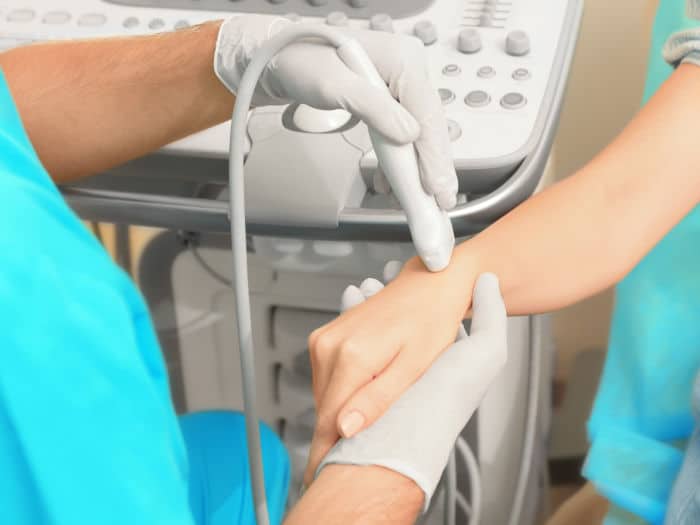
Ultrasound cancer screening is a medical imaging technique used to detect abnormalities or tumours in various parts of the body, particularly in organs such as the breasts, thyroid, ovaries, prostate, liver, kidneys, and pancreas. Unlike X-rays or CT scans, ultrasound uses high-frequency sound waves to produce images of the body's internal structures. Ultrasound imaging plays a crucial role in cancer screening and health checkups; these images help clinicians to assess organ structure, movement, and even blood through blood vessels.
An ultrasound scan alone cannot be used to diagnose disease and must be used in conjunction with other diagnostic tests.

Ultrasound cancer screening
In this guide, we will explore the following topics related to ultrasound cancer screening:
1. Breast Scans
Ultrasound scans are commonly used to evaluate breast health. They can detect abnormalities, such as cysts, tumours, or other changes in breast tissue. Regular breast ultrasound screenings are essential for early detection of breast cancer.
Breast cancer can originate from different areas within the breast. The most common type begins in the cells lining the ducts and is known as invasive ductal carcinoma. "Invasive" indicates that the cancer cells have moved beyond the ducts into the nearby breast tissue.
Cancer may start in the lobules, leading to invasive lobular breast cancer. In this case, the cancer cells have spread from the lobules into the surrounding breast tissue. There are also less common types of breast cancer.
Ductal and lobular carcinoma in situ refers to a stage where some cells within the ducts or lobules have shown signs of becoming cancerous but have not yet invaded the surrounding breast tissue.
2. Thyroid Scans
The thyroid gland is susceptible to various conditions, including thyroid nodules, goitre, and thyroid cancer. Ultrasound imaging provides detailed information about the thyroid’s size, shape, and any potential abnormalities.
3. Lumps and Bumps
Ultrasound scans are valuable for assessing lumps and bumps in different areas of the body. Whether it’s a lump in the neck, abdomen, or elsewhere, ultrasound helps determine its nature—whether benign or potentially cancerous.

What are the Benefits of Ultrasound Cancer Screening
- Safe and Painless: Patients experience no discomfort during the procedure, making it a safe and painless option.
- Non-Invasive: Ultrasound is a non-invasive imaging technique, meaning it doesn’t require incisions or exposure to ionising radiation.
- Real-Time Imaging: Unlike some other imaging methods, ultrasound provides real-time images, allowing immediate assessment.
GP and Self Referral Links







It's easy to book an appointment.
Universal Ultrasound Diagnostics offers an online booking system for easy appointment scheduling. There are options for walk-ins depending on availability: urgent scans within 5 days and routine scans within 14 days.
Appointment notifications and reminders are sent via email. The system supports self-check-in and online referrals by GPs.
We provide chaperones and interpreting services and allow family presence during pregnancy scans.
Our facility is accessible by public transport and has parking.
We allow family presence for most scans; however, children are not allowed in the room for certain scans. Please check your appointment confirmation email for clarity on our safety policy.
Our FAQ page answers a lot of general questions about your scan.
There is parking around The Green or Pay & Display at the side of The Bulls Head Pub, which charges £1 per hour (cash and card accepted). We are open 8 am to 11 pm Monday to Sunday.
Opening Times
Monday to Sunday
8 am – 11 pm
Location
10c The Green, Kings Norton, Birmingham, B38 8SD

The Harms And Limitations Of All Screening Include:
All screening can do harm as well as provide benefits. Good screening does more good than harm.
Screening tests are not 100% accurate and do not provide a diagnosis. Tests may not always provide reliable or clear-cut answers. They can lead to false reassurance, false alarms, and the discovery of uncertain findings.
False positive results are inevitable in screening. This occurs when a screening test indicates a possible condition, but subsequent tests confirm there's no issue. This can cause undue anxiety and necessitate additional tests and investigations, which may pose risks of complications.
False-negative results are also inevitable in screening. This is when a condition either currently exists or is imminent, yet the test outcome appears as normal. Consequently, individuals might be falsely reassured and could overlook potential signs or symptoms later on, assuming that everything is well. This may result in delays in both diagnosis and treatment.
Screening can result in overdiagnosis and overtreatment, whereby conditions are detected that would not have posed a problem during an individual's lifetime but, once identified, necessitate treatment. Consequently, individuals undergo unnecessary treatment, sometimes experiencing complications from medications or surgical procedures.
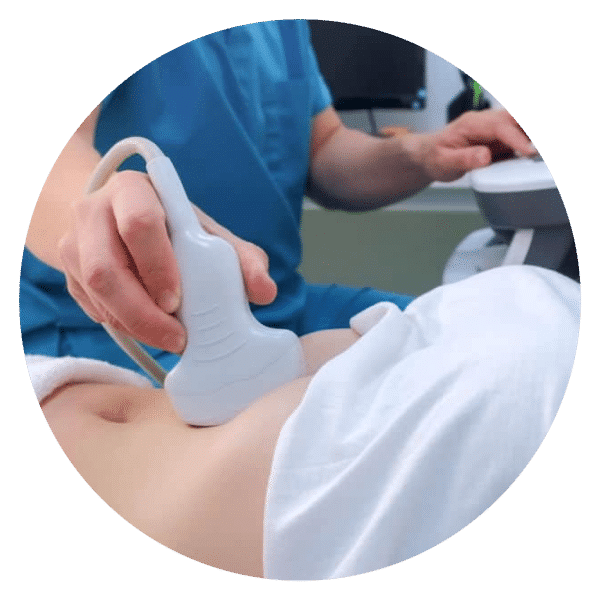
Ultrasound cancer screening conclusion
In Conclusion, Ultrasound cancer screening is a valuable tool for early detection and monitoring. By understanding the benefits and knowing when to seek screenings, individuals can take proactive steps toward better health.
Trusted Partnerships Supporting Your Health