

Kidney and Bladder Scan Derby
Book a Private Kidney And Bladder Ultrasound Scan Derby, Near You at our Birmingham Clinic
Private Kidney and Bladder Ultrasound Scan Appointments near Derby
A Kidney and Bladder ultrasound scan is a procedure that uses high-frequency sound waves to produce diagnostic images. It is a safe, non-invasive, and ionising radiation-free examination. We perform kidney and bladder scans for adults children and babies.
A kidney scan is an in-depth study of the urinary bladder and kidneys. This is performed to check for kidney stones, infections and kidney obstruction. You will need to attend with a full bladder. You do not need a GP referral for this examination.
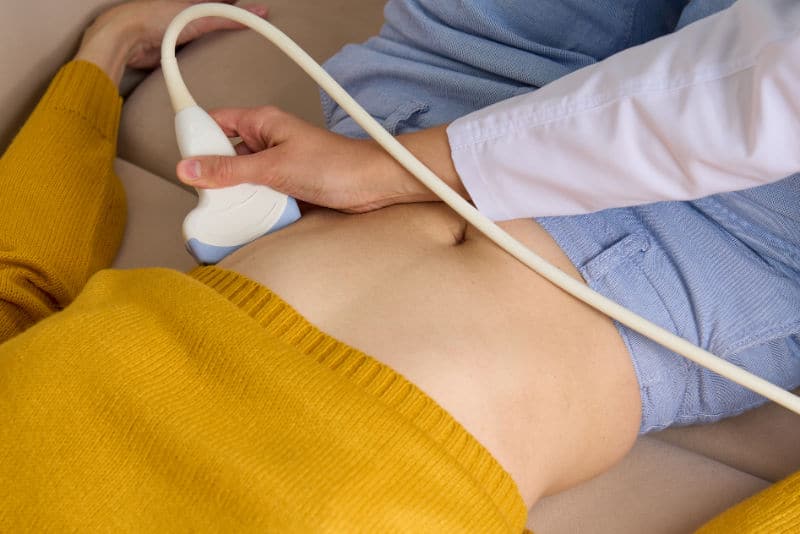
Our Kidney and Bladder Ultrasound Scan
At Universal Ultrasound Diagnostics, we are dedicated to providing exceptional private kidney and bladder ultrasound scans at our clinic in Birmingham, UK. We offer flexible and convenient dates and times that suit your needs and preferences. With our cutting-edge Ultrasound systems and highly skilled, qualified and experienced staff, we deliver precise and reliable imaging for both our private clients and referring practitioners in a comfortable and discreet setting. Our commitment to utilising the latest technology ensures we consistently deliver the highest quality performance you can trust.
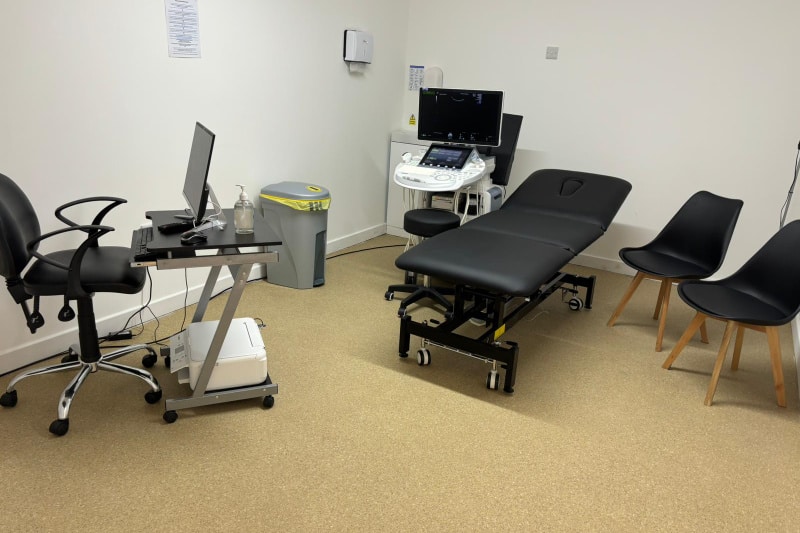
Kidney & Bladder Scan Timeline & Cost
Typical Cost
Kidney, Pelvic/Prostate £180 - £330
Kidney (including Bladder) £120 - £200
Scan Time
A kidney & bladder ultrasound scan may take up to 30 minutes, depending on the circumstances.
Results
The sonographer will discuss any immediate findings with you, and the report and images will be emailed to you on the same day.
Prostate, Bladder, and Kidney Scans Same-Day Results for your Peace of Mind
Urinating problems could be a sign of prostate issues. Your health matters do not ignore the symptoms. With up-to-date machines, qualified and experienced staff, we can help with early diagnosis which can save your life. The scan assesses the kidneys, the bladder, as well as prostate (in men). The scan is safe and non-invasive. No radiation or contrast dyes are utilised. For your peace of mind and stress relief, findings are explained straight after the scan. Report and images are emailed on the same day.
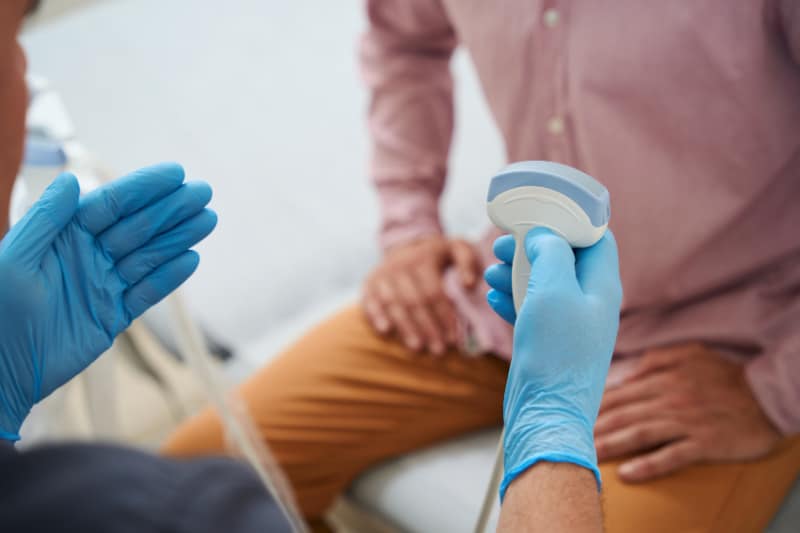
The scan helps in diagnosing:
- Blockages or kidney stones
- Bladder malfunction or retention of urine
- Tumours or thickening of the bladder wall
- Prostate enlargement, often known as benign prostatic hyperplasia, or BPH
- Abnormalities of the prostate (e.g., nodules, cysts)
- Incontinence, difficulty urinating, or frequent urination
We also offer well-man blood test that include prostate-specific antigen (PSA) tests, which help in detecting early signs of prostate cancer, and can also provide insights into prostate health and aids in guiding further diagnostic testing if levels are elevated.
Meet the Team
Lydia, our CQC Registered Manager and Operations Director, leads the team with empathy, faith and the utmost integrity. Her patient-focused approach helps to shape the culture of our service.
Our Consultant Radiologist Dr Moti, is supported by our advanced sonographer Andrew, combine clinical excellence with reassurance, giving our patients peace of mind and genuine warmth. Ali brings clarity to every scan and calm assurance, helping patients feel at ease, supported, and well-informed.
Behind the scenes, Emma, our practice manager, plays a pivotal role, ensuring every detail of the patients’ journey is seamless. She works alongside the Registered Manager to ensure quality assurance is maintained.
Carly, our Medical Administrative Officer, plays a crucial role in patient experience and works alongside the Registered Manager to maintain high-quality standards through promoting continuous improvement across the practice.
Together as a team, we are united by one purpose:
Our Mission - To deliver high-quality care with compassion that not only meets the patients’ expectations but goes over and beyond to exceed expectations.
Preparation
You must attend with a full bladder. It is advisable to drink about 1½ to 2 pints of clear fluid, preferably water not fizzy drinks or milk, an hour prior to the appointment in order to obtain better images. Try NOT TO empty your bladder until after your ultrasound scan.
Arriving for your appointment
Please arrive 5 to 10 minutes before your actual appointment time as you may not be seen if you are late, resulting in you forfeiting your payment as per our payment and refund policy. CHILDREN ARE NOT PERMITTED IN THE EXAM ROOM.
The examination
In the examination room, you will be asked to lie on a couch. The sonographer performing the scan will ask you to expose your abdomen. Gel will be applied over your abdomen, and it may feel cold. The sonographer will gently move an ultrasound probe over your abdomen to obtain images of your kidneys and bladder. Unless the area being examined is tender, the examination is not painful. The sonographer may ask you to go to the toilet and empty your bladder and return to the scan room to assess your bladder after it has been emptied.
The sonographer will always ensure your lower body will be covered with a sheet to ensure your dignity. A chaperone will always be available in the scan room. Your decision/choice not to have a chaperone will be respected. The scan may take up to 20 minutes, depending on individual circumstances.
After the examination
The report will be sent to the doctor who referred you for the scan on the same day. If you referred yourself, the report will be issued immediately following the examination. If we refer you straight to outpatients, you will be able to take your report with you.
Our Mission, Vision And Values
Mission - To be the most efficient and preferred diagnostic imaging centre that provides excellent quality care, that not only meets but goes above and beyond to exceed patients’ expectations.
Vision - Our vision is innovation as healthcare and technology are continuously evolving, which will enhance scanning techniques, image quality, accuracy, and efficiency and provide clearer insights into diseases.
We are proud to be a compassionate, caring, and respectful team. We do this by asking staff to work within our core values:

Compassionate by being inclusive, attentive, caring, respectful and showing kindness to staff, our patients, and their families.

Caring by going beyond compliance, performing above and beyond to improve our services and providing person-centred care by involving patients in their care, offering choices, and promoting dignity and privacy.

Respectful by active listening, seeking to understand others, showing empathy for differences, apologising when things go wrong, being polite and showing gratitude to our staff and patients.

Why Choose Our Private Ultrasound Scan Clinic?
1. Expert Sonographers: Our clinic boasts highly skilled and experienced sonographers specialising in Diagnostics and Pregnancy scans.
2. State-of-the-Art Technology: We use cutting-edge ultrasound systems for precise and reliable imaging.
3. Comfortable and Discreet Setting: Our clinic ensures a comfortable and confidential patient environment.
4. Flexible Appointments: We offer flexible dates and times to suit your convenience.
5. Prompt Results: Immediate findings are discussed during your appointment, and a detailed report and images are emailed to you the same day.
It's easy to book an appointment.
Universal Ultrasound Diagnostics offers an online booking system for easy appointment scheduling. There are options for walk-ins depending on availability: urgent scans within 5 days and routine scans within 14 days.
Appointment notifications and reminders are sent via email. The system supports self-check-in and online referrals by GPs.
We provide chaperones and interpreting services and allow family presence during pregnancy scans.
Our facility is accessible by public transport and has parking.
We allow family presence for most scans; however, children are not allowed in the room for certain scans. Please check your appointment confirmation email for clarity on our safety policy.
Our FAQ page answers a lot of general questions about your scan.
There is parking around The Green or Pay & Display at the side of The Bulls Head Pub, which charges £1 per hour (cash and card accepted). We are open 8 am to 11 pm Monday to Sunday.
Opening Times
Monday to Sunday 8 am - 11 pm
Location
10c The Green, Kings Norton, Birmingham, B38 8SD

Kidney Scan Faqs
What is a kidney scan?
A kidney ultrasound can reveal illnesses, infections, tumors, and cysts. One useful imaging method for finding anomalies including tumors, cysts, and infections inside the kidneys is a kidney or renal ultrasound scan. The kidney’s structure and surrounding tissues are captured in fine detail using high-frequency sound waves. This non-invasive method helps sonographers spot growths that are not normal, fluid-filled sacs, inflammation, or signs that could point to an infection.
Whilst kidney ultrasound scans can be helpful in identifying certain medical issues, they are insufficient in diagnosing certain disorders. Ultrasound pictures can show the kidneys’ size, shape, and texture, but they may not be able to identify whether a tumor is malignant.
However, to reach a proper diagnosis kidney ultrasound scans can be used in conjunction with other diagnostic techniques, blood tests, or biopsies as they cannot confirm illnesses or abnormalities on their own. Blood and urine tests may reveal information on kidney function and infection symptoms, other imaging methods such as CT or MRI scans would be necessary to obtain a more comprehensive picture of the kidneys.
What are the early signs of kidney disease?
Early stages show no symptoms. When the disease progresses symptoms may include:
• Loss of appetite
• Nausea
• Erectile dysfunction in men
• Fatigue
• Edema- swelling of feet and ankle
• Need to urinate more often, especially at night
• Decreased mental sharpness
• Problems with sleep
• Protein in urine
• Shortness of breath is seen if fluid builds up in the lungs
• Blood in urine
• Twitching in the muscles and cramps
• Persistent itching
• Chest pain, if fluid builds up around the lining of the heart
• High blood pressure (hypertension)
Book a Kidney Scan near Derby
What are kidney stones?
Waste materials in the blood can occasionally crystallise and build up inside the kidneys. Kidney stones are hard lumps formed when these crystals accumulate. Kidney stones can sometimes pass out on their own without the need for medical assistance, but they can also get extremely big and uncomfortable to do so. A doctor might suggest surgical or medical procedures in certain situations.
Signs and symptoms of Kidney Stones
- Severe lower abdominal pain, side, or back discomfort that could spread to the groin. Sharp pain that varies in intensity and arrives in waves
- Haematuria, or blood in the urine, can give it a pink, red, or brown appearance.
- Frequent urges to urinate or an urgent desire to urinate, even in tiny amounts.
- Dysuria, or painful urination vomiting and nausea, particularly if the pain is intense hazy or unpleasant-smelling urine chills and fever if the urinary system becomes infected in addition to the stones.
Prevention and control of Kidney Stones
- Avoiding kidney stones involves keeping yourself hydrated by drinking water throughout the day. This helps to lower the concentration of chemicals that cause stones.
- Reduce your intake of salt: Cutting back on sodium in your diet can help lower urine calcium levels, which lowers the chance of stone formation.
- Consume meals high in calcium, but refrain from taking too many supplements: Calcium from the diet can be beneficial, but taking too many supplements can raise the risk of stones.
- Limit oxalate-rich foods: Certain kinds of stones can be avoided by consuming less amount of certain foods including spinach, baked potato, rhubarb, beets, and almonds.
- Limit your intake of animal-based protein: Eating a lot of red meat, poultry, and fish might raise your uric acid levels and cause stones.
- Keep your weight in check: Regular activity and a nutritious diet can help prevent kidney stones, which are linked to obesity.
- Limit sugar-filled beverages: You can reduce your risk of forming stones by avoiding carbonated beverages and beverages that contain a lot of sugar, particularly fructose.
If prescribed, think about taking medication: Some drugs can assist people who have had kidney stones in the past from getting them again. People can lower their risk of kidney stones developing and possibly prevent the need for medical intervention by taking these precautions.
Get in touch for a private kidney Scan near Derby
What is diabetes?
Diabetes can come in two forms. Type 2 diabetes, where the body does not produce enough insulin, can lead to kidney disease. This is due to the high levels of sugar in the bloodstream that can damage the blood vessels and lead to the kidneys “leaking” too much protein into your urine.
Do I need blood tests relating to the kidneys?
Blood testing is a vital tool for assessing kidney health. They support kidney disease detection, monitoring, and evaluation as well as its progression. Below is a detailed explanation of the urea along with uric acid tests, along with other tests that can be used to assess kidney function.
Urea (also known as blood urea nitrogen, or BUN).
Its purpose is to determine the amount of urea nitrogen in the blood. Urea is a result of proteins being broken down by the liver.
Significance:
High blood urea levels indicate that the kidneys may not be filtering waste products effectively. This could be a sign of acute or chronic renal illness, dehydration, or excessive protein intake. Low levels may indicate liver failure or malnourishment. Although lab-specific, the normal range is normally 7–20 mg/dL.
The Uric Acid Goal:
Ascertains the amount of uric acid in the blood. The body breaks down purines, which are substances found in some foods and cells, to produce uric acid. Relevance: Elevated uric acid, or hyperuricemia, can be a sign of renal failure and cause gout and kidney stones. Low levels may be linked to certain metabolic or genetic problems, however these are rare.
Typical Range: 3.4–7.0 mg/dL for men and 2.4–6.0 mg/dL for women. Additional Kidney Function Blood Tests
Significance:
Kidney disease may be indicated by imbalances (such as low bicarbonate or high potassium).
Cystatin C Goal:
An additional kidney function indicator that might be more accurate than creatinine, especially in the early stages of renal disease.
Significance:
Higher levels indicate a lower kidney’s ability to filter waste.
Additional Kidney Function Blood Tests
Creatinine:
Its purpose is to measure your blood’s creatinine levels. The kidneys filter creatinine, a waste product generated by muscle metabolism.
Importance:
Increased levels indicate a decline in kidney activity or renal illness. This approach is commonly used to compute the estimated Glomerular Filtration Rate (eGFR). For both sexes. 0.6–1.2 mg/dL and 0.5–1.1 mg/dL, respectively, are the typical ranges.
eGFR:
The goal of Glomerular Filtration Rate Estimated (eGFR) is to calculate how well your kidneys filter blood.
Importance:
A lower eGFR indicates less renal function. A measurement below 60 mL/min/1.73 m² may be a sign of chronic kidney disease. Potassium, sodium, bicarbonate, and chloride are electrolytes. The objective is to assess electrolyte balance, which is controlled by the kidneys.
Goal for Calcium and Phosphorus:
Monitors the minerals that the kidneys regulate.
Importance:
Unusual results could indicate kidney disease or issues with bone metabolism caused by kidney failure. Total Protein and Albumin Objective: Assesses the amounts of total protein and albumin in the blood. Significance: Low albumin levels (hypoalbuminemia) may indicate renal illness since the kidneys may leak protein into the urine.
What kinds of things can kidney ultrasounds detect?
A kidney ultrasound scan can detect tumours, cysts and infection. Though ultrasound scans alone cannot be used to diagnose disease, they can be used in conjunction with other diagnostic tests.
How do I prepare for a kidney scan?
You will require a full bladder for the first part of your scan. The sonographer will check the bladder before and after evacuation to ensure it empties properly. You can eat and take medication as normal.
What do I wear?
You will need to wear loose-fitting and comfortable clothing. The kidneys are located quite high up on the back, tucked into the rib cage. The sonographer will need you to expose your whole abdomen during the scan to make all the necessary checks.
Do you lay on your stomach for a kidney ultrasound?
In the examination room, you will be asked to lie on a couch. The sonographer performing the scan will ask you to expose your abdomen. The gel will be applied over your abdomen, and it may feel cold. The sonographer will gently move an ultrasound probe over your abdomen to obtain images of your kidneys and bladder. With your consent, the images will come up on a big-screen television in front of you so that you can see all the structures that are being examined.
Unless the area being examined is tender, the examination is not painful. The sonographer may ask you to go to the toilet empty your bladder and return to the scan room to assess your bladder after it has been emptied.
The sonographer will always ensure your lower body will be covered with a sheet to ensure your dignity. A chaperone will always be available in the scan room. Your decision/choice not to have a chaperone in the room will be respected. The scan may take up to 30 minutes, depending on individual circumstances.
Do I need consent to a kidney scan?
All patients must give their consent (permission) before undergoing an examination. If they are unable to give consent themselves then a person with power of attorney will need to give consent on their behalf. Please ensure that the pre-treatment consent form is completed via the embedded link in your confirmation email before you attend the appointment. The scan will not go ahead if this form is not completed.
Are kidney scans painful?
Kidney scans are not painful however it makes be uncomfortable if the area is tender as the sonographer will need to gently apply pressure with the ultrasound wand in order to generate images.
What happens during the scan?
The sonographer will put ultrasound gel onto your skin and move a probe over your abdomen and sides. Do not be alarmed if the sonographer checks the same area again or goes quiet during the exam. They will explain any findings to you in detail once the scan is complete.