

What Your Ultrasound Results Mean and What Happens Next
An ultrasound scan is one of the safest options for imaging currently available. This technique is safe and does not use ionising radiation. It utilises high-frequency sounds to produce images of internal organs, developing babies and blood vessels. Knowing the results of your ultrasound scan may be helpful when you want to make decisions regarding your health, whether you are monitoring a persistent illness, simply want reassurance and peace of mind or are pregnant. For your peace of mind, at Universal Ultrasound Diagnostics in Birmingham, we provide same-day appointments with our highly experienced and qualified advanced sonographers, who will explain findings after scans and email your report and images on the same day.
What is an ultrasound, and how does it work?
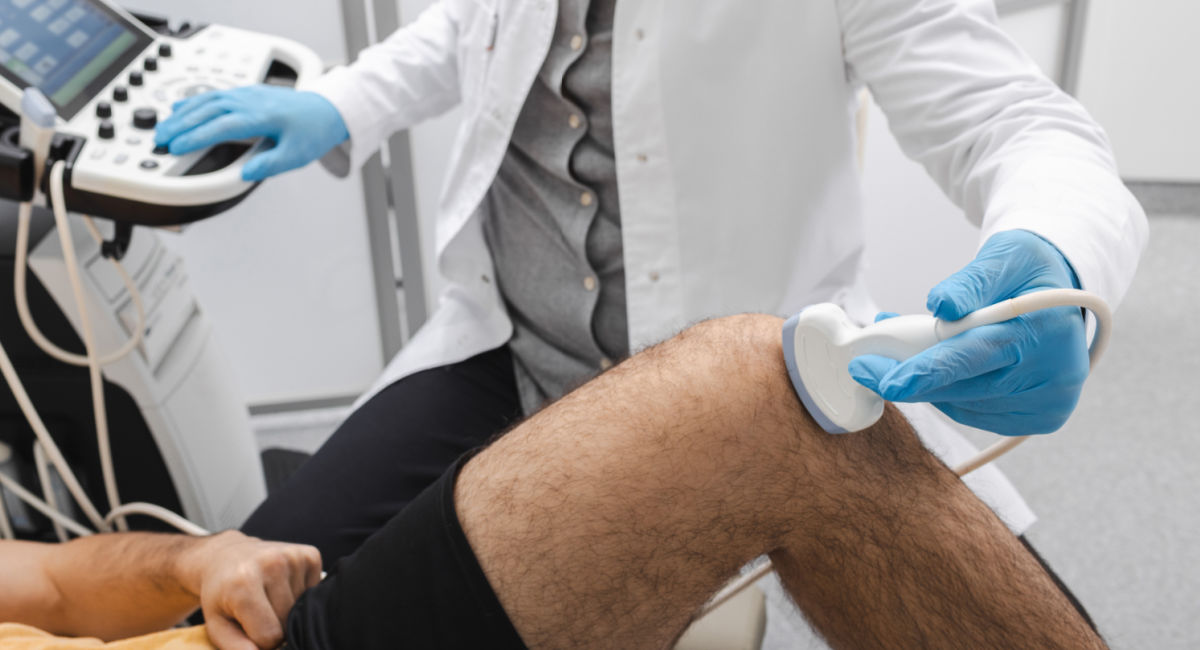
This type of imaging technique uses handheld transducers to send waves through the body. These waves are reflected by various tissues at varying intensities and speeds, allowing images of the area being scanned to be created in real time. Because ultrasound uses sound rather than ionising radiation, it is non-invasive and safe for people of all ages. The sonographer may request that the patient change position to view the area of interest from different angles. The procedure is pain-free and takes between 15 and 60 minutes, depending on individual circumstances and the type of scan being performed.
Being told you need an ultrasound scan can make you feel like answers are coming, but receiving the results can sometimes raise new questions or make you feel anxious.
You might be wondering:
- What exactly did they see?
- Is this something to worry about?
- Do I need further tests?
At Universal Ultrasound Diagnostics, we believe passionately that your appointment should be empowering and informative. Leaving you with clear next steps.
This guide aims to explain ultrasound findings in plain English, allowing you to feel at ease with the next steps.
What Does an Ultrasound Actually Show?
Real-time images of structures inside your body can be seen by one of our expert sonographers during your scan. It is often the first step in investigating symptoms because it is safe, non-invasive, and highly effective at assessing soft tissues.
During your scan, the sonographer carefully evaluates:
- The size, shape, and appearance of organs or tissues
- The presence of any abnormalities
- The internal characteristics of any finding (for example, fluid-filled or solid)
- Blood flow patterns, where appropriate
Everything seen during the scan is recorded and used to build a clear picture of what is happening at that moment.

Understanding Common Ultrasound Findings
Most ultrasound findings fall into a few familiar categories. While it is vital to share any report our team sends to your GP, we believe it’s important for you to clearly understand some key types of findings.
Normal Findings
A normal scan means:
- Structures appear as expected
- No abnormalities are seen on that particular day and time
- No further tests are needed at this stage
This is always reassuring. However, ultrasound reflects what is visible at the time of the scan, so ongoing symptoms should still be reviewed if they continue.
Benign (Non-Harmful) Findings
Many scans identify findings that sound worrying but are actually very common and harmless.
These may include:
- Cysts (fluid-filled areas)
- Lipomas (fatty lumps)
- Mild inflammation or swelling
In reality, most ultrasound findings are benign and not harmful.
Indeterminate or Unclear Findings
Sometimes a finding cannot be fully explained on ultrasound alone.
You may see terms like:
- “Indeterminate”
- “Further assessment recommended”
- “Clinical correlation advised”
This does not mean something serious has been found — it simply means more information is needed to be certain.
Features That May Need Closer Attention
Occasionally, the sonographer may describe features such as:
- Irregular shape or borders
- Solid areas instead of fluid
- Changes in normal tissue structure
- Unusual blood flow patterns
These are often referred to as “suspicious features”, but it is important to understand:
- They are not a diagnosis on their own
- Many of these findings still turn out to be benign
They are identified to ensure nothing important is overlooked, that your care is thorough and that further testing may be required.
Decoding the Ultrasound Report
After your scan, you will receive two separate emails: one with your written report and the other with a Tricefy Link to view, download, and save your images. We recommend that you share your report with your GP, who can help you understand each section of the findings and put a treatment plan in place or recommend further assessments.
Patient & Exam Information
Lists your personal details and the type of scan performed.
Clinical Indications/History
Briefly summarise your symptoms and the clinical reason for the scan, and the reasons you have attended for a scan.
Technical Details
Describes how the scan was performed (for example, transabdominal or transvaginal), including equipment settings and positioning.
Findings
This is the most important section. It explains:
- What structures were examined
- Their size, shape, and appearance
- Any measurements taken
- Whether the findings are normal or abnormal
Impressions/Summary
Provides a clear interpretation of the findings and may include recommendations for next steps. This is really important: Sonographers do not provide a formal diagnosis, as an ultrasound alone cannot diagnose an illness or cancer. The report must be reviewed by your referring clinician or your GP if you self-referred.
Examining Personnel
This part of your report lists the professionals involved in your scan, such as the sonographer, chaperone or radiologist, and may include images or comparisons with previous scans.
What Happens If Further Tests Are Recommended?
If your report recommends further tests for clinical correlation, this is a routine and precautionary step.
Depending on the findings, your GP or specialist may recommend:
- MRI or CT scans
- Blood tests
- A biopsy (in some cases)
Ultrasound is an excellent first-line test, but it cannot answer every question on its own. Additional tests help provide a complete and accurate diagnosis.
Why a Normal Scan Can Still Need Follow-Up
A normal scan is reassuring, but no single test can detect everything; therefore, we highly recommend that you share your report with your GP.
Some conditions:
- May not yet be visible at the time of scanning
- May develop over time (in days, weeks or months)
- May require different imaging, such as CT or MRI
If your symptoms persist, change, or worsen, it is always sensible to follow up with your GP.
Reassurance: What Most Patients Experience
We understand that many patients arrive feeling anxious, especially when dealing with pain, swelling, or a new lump.
The reality is:
- Most findings are not serious
- Many patients leave with reassurance and no further action needed
- Even when further tests are recommended, it is usually to confirm something benign
Being asked for another test is not an indication of a concern; however, it suggests your healthcare is being handled safely and carefully.

Our Approach at Universal Ultrasound Diagnostics
At our Kings Norton clinic, we focus on more than just the scan — we focus on your understanding.
We provide:
- Clear explanations immediately after your scan
- Same-day reports and images
- Guidance on what to do next
- A calm, supportive environment
Our goal is simple:
To help you understand what’s been found and feel confident about your next steps.
When Is It Time to See a Doctor?
You should seek medical attention or consult your General Practitioner if:
- A lump is painful, causing discomfort, and shows any changes or has grown in size
- The symptoms continue, or you feel worse.
- You are concerned or unsure about your results
It is worth getting checked if you do not feel right.

Are You Ready to Continue?
If you need reassurance or are experiencing symptoms, we can help.
At Universal Ultrasound Diagnostics in Birmingham, we offer the following services:
- Fast appointments, often within the same day
- Qualified and NHS and Hospital experienced Advanced Sonographers, and Paediatric Consultant Radiologist with HCPC, BMUS, NMC and GMC registrations
- Qualified, NHS-experienced, friendly admin team who will help you with your bookings, a Healthcare Assistant to help you with anything you may need during your scan, it could be to get you some water, help dress, support if you feel anxious or make you feel comfortable and safe during your scan
- Clear and concise explanations
- Clean Environment
- Same-day reporting
You can:
No concern is too small — and you should never feel unsure about your health