

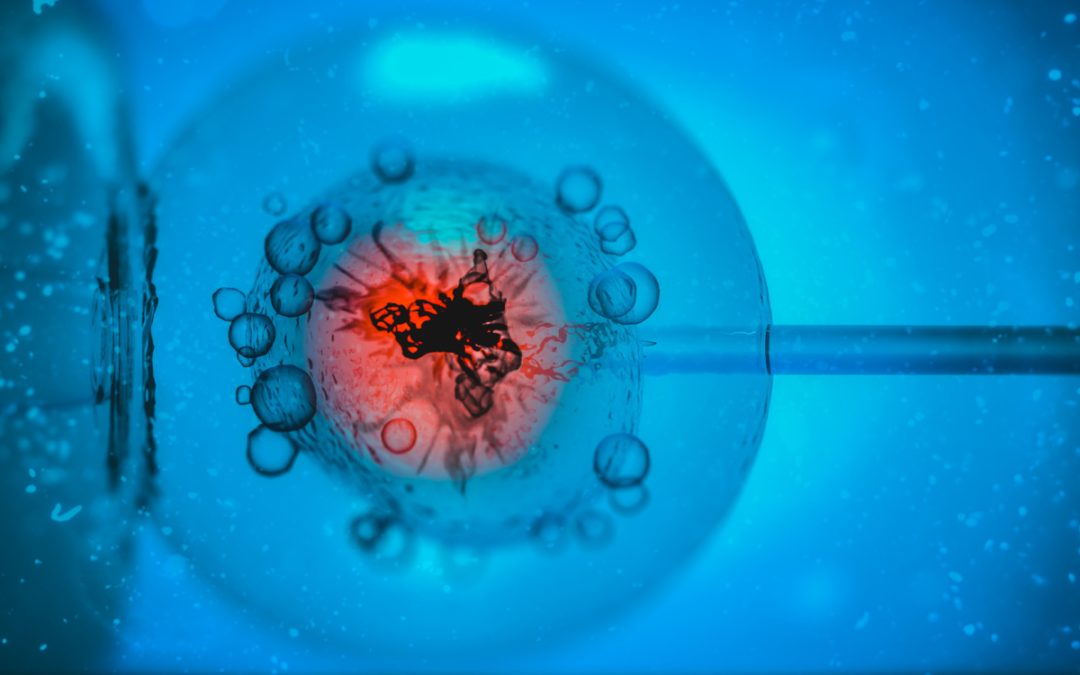
The connection between Thyroid Health and Fertility
At Universal Ultrasound Diagnostic, we have seen a significant number of patients coming for a pelvic or fertility scan to check why they have not been able to conceive, why they have been having recurring miscarriages, or to have a pelvic health check before they start IVF.
They want to know if there are any abnormalities with their reproductive organs. These patients do not seem to be very informed regarding what can potentially cause fertility problems. Whilst many blood tests may be carried out, thyroid blood tests or a thyroid ultrasound scan are usually overlooked.
Your thyroid is a small, butterfly-shaped gland at the front of your neck. It helps regulate metabolism, temperature, energy levels, and crucially, the hormones involved in ovulation and early pregnancy. When thyroid hormone levels are not well balanced, it can make it harder to conceive and can increase the risk of early pregnancy problems.
This matters for IVF, too. If the thyroid is underactive, overactive, or affected by autoimmune thyroid disease, it may reduce the chances of implantation or increase the risk of an early loss. It does not mean IVF will definitely fail, but it can be one of the “missing pieces” when cycles are not going to plan.
The article will examine the connection between fertility and thyroid health.

How thyroid problems can affect fertility
Thyroid hormones influence the reproductive system in several ways. When levels are too low (hypothyroidism) or too high (hyperthyroidism), you may see:
- Irregular periods or changes in ovulation
- Difficulty conceiving, even when everything else looks fine
- Increased risk of miscarriage in some situations
- Symptoms that are easy to dismiss as “stress” or “tiredness”, such as fatigue, brain fog, palpitations, temperature sensitivity, or weight changes
Severe thyroid dysfunction is well recognised as a cause of subfertility, and thyroid autoimmunity can complicate things further.

Why thyroid issues can impact IVF outcomes
IVF is a carefully controlled process, but it still depends on the body being in a healthy hormonal “zone” for the embryo to implant and for an early pregnancy to develop.
Here are the main ways thyroid issues may affect IVF success:
- Implantation and early pregnancy support
Thyroid hormones support the development of the uterus lining and early placental development. If thyroid function is not optimised, the environment for implantation may be less favourable. - Miscarriage risk and “biochemical” pregnancies
Some thyroid problems, especially untreated hypothyroidism, and sometimes thyroid autoimmunity, are linked with higher rates of early pregnancy loss. This can look like a positive test followed by a bleed, or a very early loss before a scan shows a pregnancy developing. - Ovarian stimulation can unmask thyroid strain
During IVF, ovarian stimulation increases oestrogen levels. European thyroid guidance highlights that these high oestradiol levels may push some women, particularly those with thyroid autoimmunity, towards hypothyroidism, sometimes requiring levothyroxine support before pregnancy. - “Borderline” thyroid results may matter more in fertility care
Outside fertility settings, a mildly raised TSH can be a grey area. In fertility and early pregnancy care, clinicians often aim for tighter thyroid control because early pregnancy is a time when thyroid demands rise quickly. For example, guidance commonly references a TSH target around the first trimester range, and many resources discuss 2.5 mIU/L as a key threshold in early pregnancy planning.
It is also important to say this clearly: thyroid management in infertility is nuanced. There is ongoing debate about exactly when to treat subclinical hypothyroidism (a raised TSH with normal free T4) and what this means for outcomes like miscarriage. ASRM has updated guidance reviewing the evidence and the pros and cons of treatment in infertile patients.
Blood tests vs ultrasound: what each one tells you
This is where a lot of confusion happens.
Blood tests tell you how the thyroid is working
These usually include:
- TSH (thyroid-stimulating hormone)
- Free T4 (and sometimes Free T3)
- TPO antibodies (to check for autoimmune thyroid disease)
NICE guidance supports checking thyroid function in preconception settings when relevant and advises aiming for a euthyroid (well-controlled) state before conception.
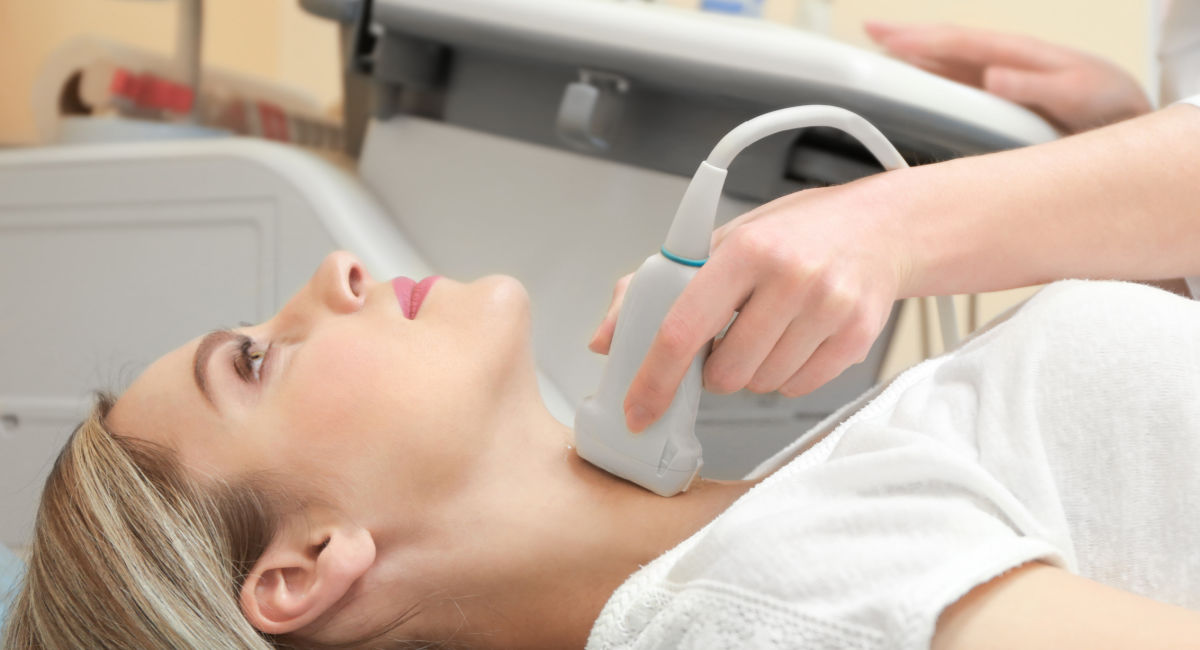
Ultrasound shows the thyroid’s structure
A thyroid ultrasound scan does not measure hormones. Instead, it looks at what the thyroid physically looks like, including:
- Enlargement (goitre)
- Thyroid nodules (lumps within the gland)
- Cysts
- Changes that can suggest thyroiditis (inflammation)
- Nearby lymph nodes, if clinically appropriate
So, if you have a lump in your neck, visible swelling, localised discomfort, a known nodule, or abnormal blood results that need a clearer structural picture, an ultrasound can be a helpful part of the workup.
When a Neck/Thyroid scan might be part of your fertility story
A thyroid ultrasound may be considered if:
- You or your clinician can feel a lump or notice neck swelling
- Your thyroid blood tests are abnormal, and there is a need to check for nodules or inflammation
- You have known thyroid disease and need monitoring
- You have symptoms plus a family history of thyroid problems
- Your fertility clinic wants a clearer view of the thyroid, particularly if antibodies are positive or there is concern about thyroiditis
It is also sometimes used to guide next steps, for example, whether a nodule needs further assessment.
If IVF has not worked, should you check your thyroid?
We have seen several cases in our clinic of women on several rounds of IVF who have not had their thyroid checked. With our recommendations, some women have booked a thyroid scan and found to have thyroid problems such as hypothyroidism or hyperthyroidism. The patients' feedback was that taking prescribed medication helped them to conceive naturally.
It can be sensible to review thyroid health if you have had:
- Repeated implantation failure
- Recurrent early losses
- Unexplained infertility
- Symptoms that suggest thyroid imbalance
- A personal or family history of thyroid disease
A good next step is usually a conversation with your GP or fertility team about a full thyroid panel (TSH, free T4, and often TPO antibodies). Ultrasound can then be added if there are structural concerns or symptoms in the neck.

A quick reassurance
Most thyroid findings on ultrasound are benign, and many thyroid issues are manageable with the right support. The key is not to self-diagnose from a single number or a single scan. Fertility care works best when the whole picture is considered, including symptoms, blood results, medical history, and where you are in your IVF plan.
When to seek urgent medical advice
If you have neck swelling plus breathing difficulty, severe swallowing problems, or sudden onset neck pain with significant symptoms, seek urgent medical care. If you are worried about a lump that is changing quickly, or you have persistent symptoms, speak to your GP promptly.
Choosing the right private healthcare clinic is all about access, reassurance, and discretion. Our Birmingham private ultrasound clinic is easy to reach, with quick, flexible appointments and a welcoming team dedicated to your comfort. We are a highly rated and trusted Private Ultrasound Clinic. Read our client reviews.
Take the next step today:
- Book your scan online
- Request a call back to discuss the best scan for you
- Message us with any concerns; no question is too small
Contact Ultrasound Diagnostic, Birmingham’s accessible, confidential choice for private Thyroid and Fertility ultrasound. Use our Online Booking System to schedule an ultrasound scan appointment and feel confident about your health.