

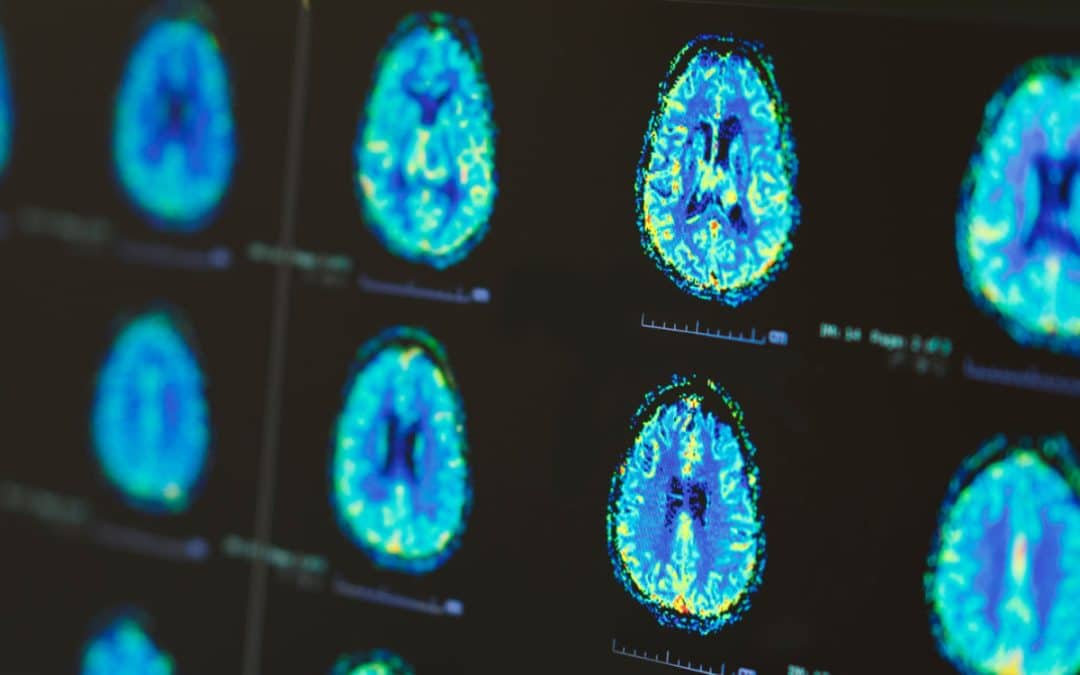
How MRI and ultrasound work together for different parts of the body
When you are living with pain, swelling or reduced movement, it is natural to wonder, “Do I need a scan, and which one?”
At Universal Ultrasound Diagnostics, we specialise in diagnostic ultrasound, and when needed, we refer patients for private MRI scans with our partner, Modality. Both tests are safe, non-invasive ways to look inside the body, but they each have their strengths. This blog explains how MRI and ultrasound work together for different parts of the body, and how we decide which scan is right for you.

MRI in Simple Terms, and When It is Needed
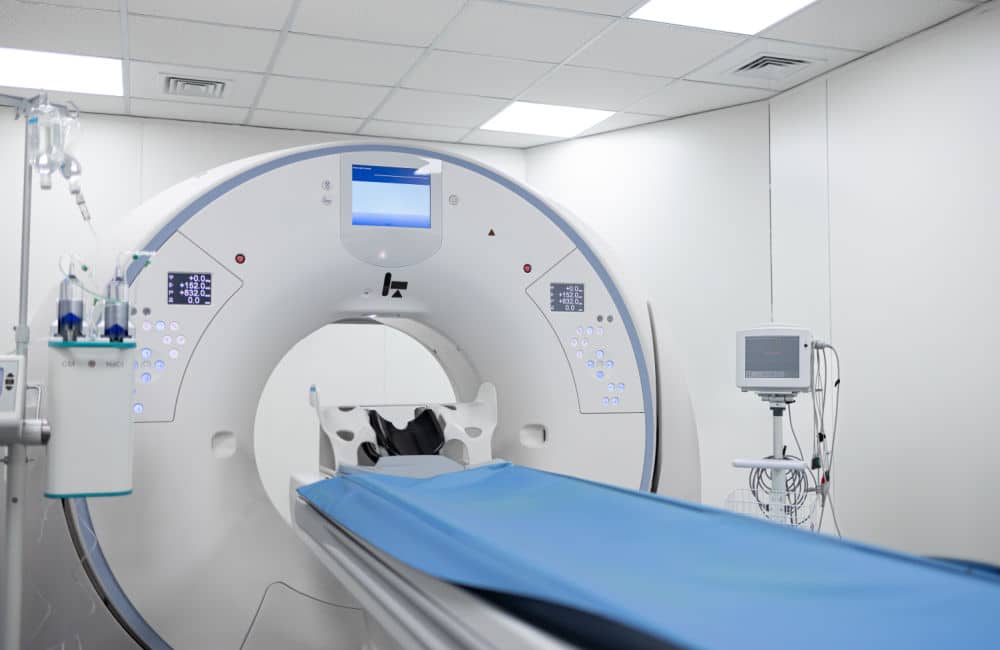
MRI (Magnetic Resonance Imaging) uses powerful magnets and radio waves to create highly detailed images of the inside of your body. There is no radiation involved, unlike CT or X-ray scans.
MRI is especially good at showing:
- Muscles, ligaments and tendons
- Cartilage inside joints
- Spinal cord and nerves
- Organs such as the brain, adrenals, prostate, pelvic, kidneys, and breast, pelvic, and abdominal
It helps to:
- Find the cause of pain, swelling, weakness or “locking” in a joint
- Detect injuries such as meniscal tears, cartilage damage or ligament ruptures
- Pick up tumours, infections and early signs of disease
- Plan or avoid surgery by showing exactly what is going on inside a joint or organ
Your MRI results guide the next step, whether that’s rest, physiotherapy, medication, injections or an operation. In many cases, a clear MRI can also prevent unnecessary surgery.
Where Ultrasound Fits In
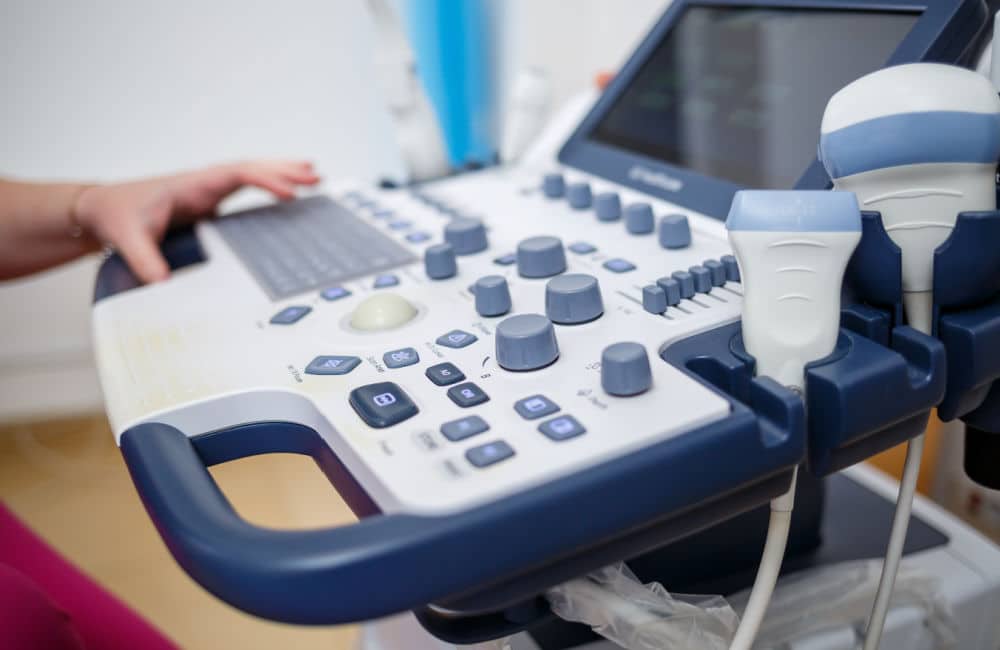
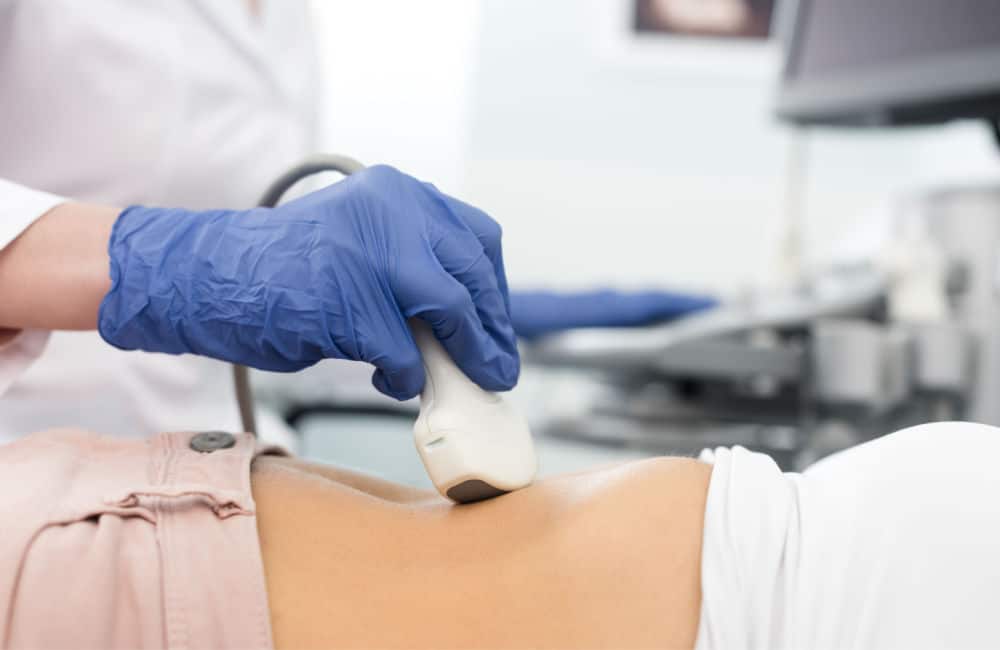
Ultrasound uses high-frequency sound waves to create live images on screen. It’s:
- Safe and radiation-free
- Excellent for soft tissues close to the skin (tendons, ligaments, muscles, small joints)
- Dynamic, we can watch structures move as you bend or lift a joint
- Ideal for guiding injections or fluid drainage
In many musculoskeletal (MSK) problems, ultrasound is the first-line test. If we see something that needs a deeper or more in-depth view, that is when an MRI becomes the next crucial step.
How MRI and Ultrasound Help Different Parts of the Body
Below, we will briefly run through the main areas we can refer for MRI with Modality, and where ultrasound may be helpful too.
Ankles and Feet
MRI benefits
- Shows cartilage inside the ankle joint
- Detects ligament tears, tendon damage and bone bruising
- Helps pick up early arthritis, stress fractures or occult fractures (not seen on X-ray)
Ultrasound benefits
- Excellent for ankle sprains, tendon problems (e.g. Achilles), bursitis and soft-tissue swelling
- Allows dynamic assessment while you move or weight-bear
- Useful for guiding injections around tendons or into bursae
We commonly start with an ultrasound in-clinic; if the pain is deep within the joint or if surgery is being considered, we may then arrange an ankle or foot MRI.
Knees
MRI benefits
- Gold standard for meniscal tears, cartilage loss and cruciate ligament (ACL/PCL) injuries
- Shows bone bruising and subtle fractures not visible on X-ray
- Very helpful for pre-surgical planning or long-standing, unexplained knee pain
Ultrasound benefits
- Ideal for superficial structures: patellar tendon, quadriceps tendon, collateral ligaments and soft-tissue swelling
- Excellent for detecting joint effusions and Baker’s cysts
- Useful for guiding aspiration (drawing off fluid) or injections around the knee
If your main problem is locking, catching or “giving way”, MRI is often the more informative test. If the issue is a tender lump, swelling or suspected tendon problem, ultrasound may be the best starting point.
Shoulder and Scapula
MRI benefits
- Detailed view of the rotator cuff tendons, labrum, joint cartilage and bone
- Helpful for complex or long-standing shoulder pain, instability, or when surgery is being considered
- Shows deeper structures around the scapula (shoulder blade) and chest wall
Ultrasound benefits
- Very accurate for many rotator cuff tears and tendon problems
- Shows bursitis, impingement and inflammation around the shoulder
- It can be done while you move your arm, revealing issues that only appear with movement
For many shoulder problems, we can gain a lot of information from ultrasound first; MRI is then used if deeper or more complex issues are suspected.
Elbow, Forearm, Wrist, Hand and Fingers/Thumb
MRI benefits
- Visualises deep ligaments, cartilage and bone marrow inside the small joints
- Helpful in unexplained wrist pain, suspected fractures or early inflammatory arthritis
- Useful for complex hand injuries or persistent nerve symptoms (e.g. in the forearm)
Ultrasound benefits
- Very sensitive to tendon injuries, “tennis elbow”, small ganglion cysts and soft-tissue swelling
- Can assess carpal tunnel syndrome and other nerve entrapments near the skin
- Often, the quickest way to evaluate painful “lumps and bumps” in the hands and fingers
We frequently use ultrasound as the first step for wrist, hand and finger problems. MRI is reserved for deeper, more complex issues, or when we need to see inside the joint in more detail.
Lumps, Lipomas and Possible Sarcomas
MRI benefits
- Maps out the exact size, depth and borders of a lump
- Helps distinguish between fatty (lipoma) and more complex soft-tissue masses
- Essential when there is concern about cancer, a sarcoma or another more serious cause
Ultrasound benefits
- Quick way to determine if a lump is solid or fluid-filled (for example, a cyst)
- Can characterise many benign lumps confidently and guide aspiration or sampling if required
Most superficial lumps will be scanned by ultrasound first. If we see anything that needs a more in-depth assessment, we arrange an MRI through our partner.
Spine – Cervical, Thoracic, Lumbar, Sacrum/Coccyx
MRI benefits
- Best test for discs, spinal cord, nerve roots and spinal canal
- Shows disc prolapses, spinal stenosis, inflammation and many causes of back and neck pain
- Helpful for leg pain from nerve compression (sciatica) and for unexplained weakness or numbness
Ultrasound benefits
- Limited role for imaging the spine directly, but may be used to assess nearby muscles, ligaments or guide injections around the spine
For spinal problems, MRI is usually the key investigation. We would normally not rely on ultrasound alone to assess the cervical, thoracic, lumbar spine or sacrum/coccyx.
Brain
MRI benefits
- Highly detailed images of the brain, brainstem and surrounding structures
- Used to investigate persistent headaches, seizures, neurological symptoms and some visual problems
- Can detect tumours, inflammation, strokes and other abnormalities
Ultrasound benefits
- In adults, ultrasound has a very limited role for brain imaging (the skull blocks the sound waves). In young babies with open “soft spots”, cranial ultrasound can sometimes be used.
For adults with neurological symptoms, MRI is the preferred imaging test.
Brachial Plexus (Nerve Network from Neck to Arm)
MRI benefits
- Shows the complex network of nerves running from the neck to the arm
- Helps in cases of trauma, nerve injury, unexplained arm weakness or pain
Ultrasound benefits
- Can assess some superficial nerves in the neck and shoulder region and guide nerve-related injections, but deeper structures are better seen on MRI
Adrenals and Prostate
MRI benefits
- Adrenals: good for characterising adrenal nodules and assessing nearby organs
Prostate: multiparametric MRI is widely used to assess prostate enlargement, inflammation and possible prostate cancer
Ultrasound benefits
- Abdominal ultrasound can sometimes detect adrenal enlargement, but MRI gives more precise details
- Transrectal ultrasound is useful for guiding biopsies of the prostate and assessing its size, but MRI provides a more complete picture of the gland and surrounding tissues
For these deeper organs, MRI is usually the more informative test, with ultrasound acting as a helpful partner when guiding procedures.
Private MRI Scans with Our Partner, Modality
When an MRI is needed, we work closely with Modality to arrange a convenient private scan for you.
Closed MRI (1.5T Mobile Scanner)
We can refer for:
- Ankles, feet and toes
- Hands, fingers/thumb and wrist
- Shoulder and scapula
- Elbow and forearm
- Brain
- Lump lipoma, suspected sarcoma
- Prostate
- Brachial plexus
- Sacrum/coccyx
- Adrenals
Weight limit: up to 18 stone (154 kg). Patients may still be suitable above this if their weight is evenly distributed, this will be discussed individually.
Open MRI (Fixed Site in Bromsgrove, B60 2JL)
We can refer for:
- Cervical, thoracic and lumbar spine
- Shoulders
- Knees
- Feet
- Ankles
Open MRI scanners can feel more comfortable if you are anxious in enclosed spaces or if your build makes a traditional scanner less suitable.
Not Sure Which Scan You Need?
You don’t need to decide between MRI and ultrasound yourself, that’s our job.
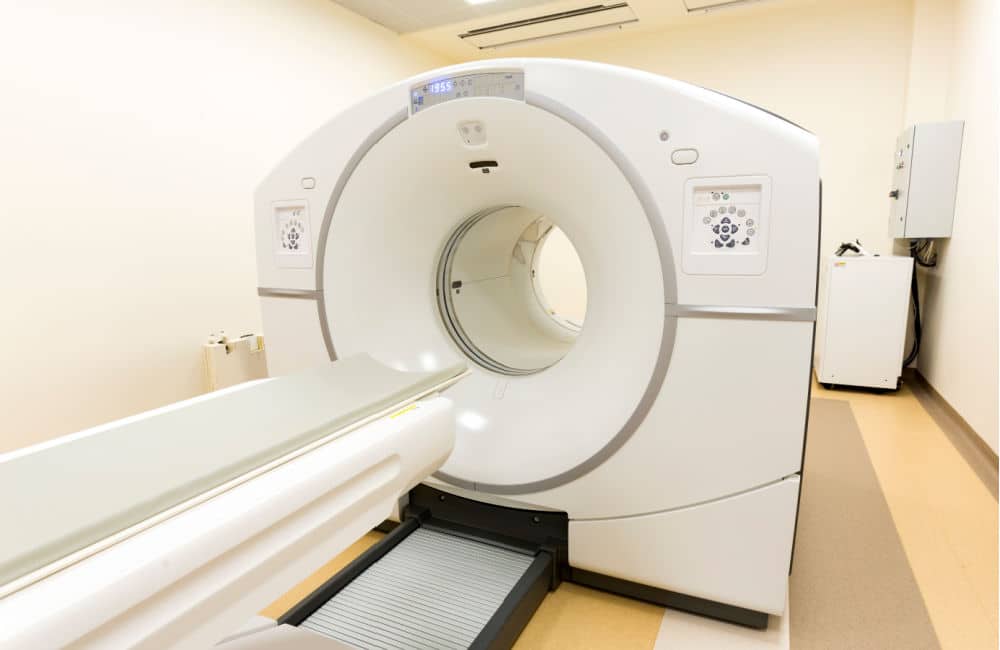
If you are experiencing pain, swelling, stiffness or a worrying lump, please contact the clinic.
At Universal Ultrasound Diagnostic, we will:
- Take a detailed history and examination
- Advise whether an ultrasound scan with us is the right starting point
Our aim is always the same: to choose the most appropriate test, explain your results clearly, and help you move forward with confidence.
Choosing the right private healthcare clinic is all about access, reassurance, and discretion. Our Birmingham private ultrasound clinic is easy to reach, with quick, flexible appointments and a welcoming team dedicated to your comfort. We are a highly rated and trusted Private Ultrasound Clinic. Read our client reviews.
Take the next step today:
- Book your scan online
- Request a call back to discuss the best scan for you
- Message us with any concerns; no question is too small
Contact Ultrasound Diagnostic, Birmingham’s accessible, confidential choice for private paediatric ultrasound. Use our Online Booking System to schedule an ultrasound scan appointment and feel confident about your health.