

You are the only one who truly knows your body.
Being mindful of any physical changes is crucial to maintaining good health, particularly when it comes to lumps, bumps, or swellings. Many of these alterations are benign, but some can indicate a more serious problem that requires immediate attention. Self-checking on a regularly basis is a straightforward, yet effective habit that can help you take charge of your health and identify problems early. It might make all the difference to know what your body considers to be normal and to know when something seems off. But how can you tell if a bump is something to be concerned about? And how can you obtain answers as soon as possible?
Let’s discuss the significance of self-examination, warning indicators, as well as how an ultrasound scan can offer a quick insight and clarification in a matter of minutes.

Why self-examination matters
There are numerous causes for the development of lumps and bumps. Some may be harmless, and some may be an indication of a more serious condition, which may need further testing to confirm the diagnosis. Some lumps and bumps develop slowly and might not be noticeable, and some are superficial and are easily felt under the skin. Fatty lumps (lipomas), cysts, or enlarged glands are usually benign and do not present any long-term risk.
On the other hand, some lumps might be a sign of inflammation, infection, or, in rare instances, malignancy; hence the importance of regular self-checking, as this can save your life. Examining your body often increases the likelihood that you will notice changes in areas such as armpits, neck and jawline, chest, abdomen, breast, arms, legs and groin. Routinely checking your body can aid in early diagnosis and, if needed, treatment.
Here is why it is so important
Early detection can save your life. If a lump is cancerous, spotting it early significantly improves your treatment options and chances of recovery.
The majority of lumps are not harmful. Having them examined can help you proceed with confidence and eliminate needless anxiety, giving you peace of mind
Avoiding unnecessary worry - Being aware of what type of lump you have can help in decision-making regarding any further testing, treatment, or follow-up you may need.

What you should look out for
When performing a self-exam, take note of any of the following:
- A new lump that was not there before
- A lump that is growing over time
- A lump that feels hard or fixed in place
- Lumps that are painful, tender, or cause discomfort
- Changes in the skin over the lump, such as redness, swelling, warmth, or dimpling
- Lumps that develop after an injury but do not go away
- Any unusual swelling that does not seem to resolve on its own
If you notice any of these signs, it is time to get it checked.
When Should You Consider an Ultrasound Scan?
Ultrasound is a rapid, safe and non-invasive imaging method that looks at the structure of a bulge under the skin. Without radiation, needles, or discomfort, it offers precise, real-time visuals.
- It is safe for people of all ages and does not expose them to radiation. It is instructive and aids in differentiating between solid, fluid-filled, and mixed tissue types.
- It is accessible; same-day appointments are possible, and no referral is required.
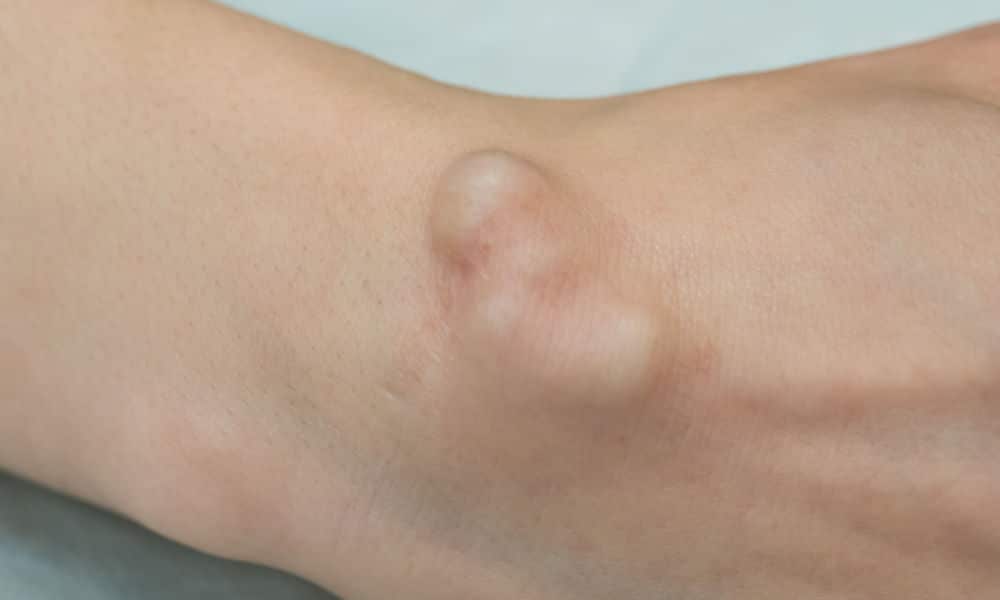
When Should a Lump or Bump Require an Ultrasound Appointment?
An ultrasound for lumps and bumps should be scheduled if:
- The Lump Is Growing
Any lump that increases in size, even slowly, should be assessed.
Ultrasound can help determine whether it’s a solid mass like a tumour or a fluid-filled cyst. - The Shape or Edges Look Irregular
Benign lumps usually have smooth, round borders. If the lump has uneven or jagged edges, an ultrasound can evaluate its shape and margins. - The Tissue Looks Complex (Mixed Echogenicity)
Ultrasound uses sound wave reflections to assess tissue density. A simple cyst appears black (anechoic), while complex or abnormal lumps show mixed light and dark areas, suggesting a need for further evaluation. - The Lump Feels Deep or Immobile
Lumps that are fixed to deeper tissue or muscles, especially those that don’t move under the skin, could indicate a deeper-seated lesion. Ultrasound can measure the exact depth and composition. - You Experience Persistent Pain or Inflammation
Painful, warm, or inflamed lumps could be signs of infection, an abscess, or a more complex condition. Ultrasound helps assess blood flow and inflammatory changes within the lump.

What Happens During a Lumps and Bumps Ultrasound?
The scan typically takes between 15 and 20 minutes to complete and is safe.
- A private examining room will be provided for your comfort.
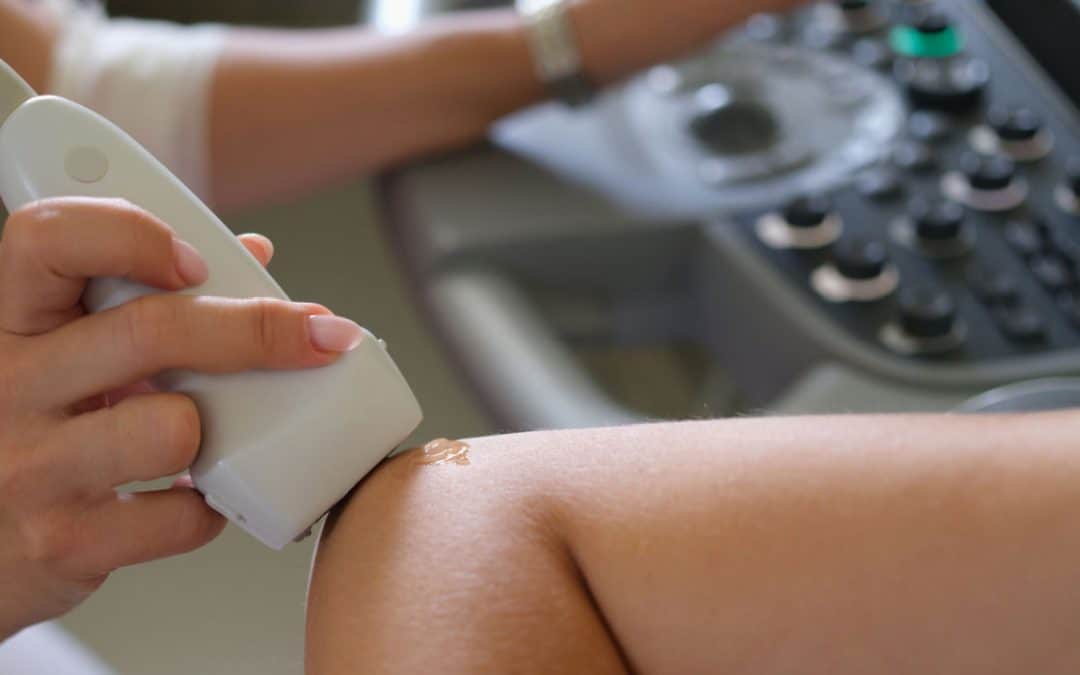
- A tiny bit of gel is applied from the lump or its surroundings by a sonographer.
- Real-time images are captured by gliding a portable instrument known as a transducer over the skin.
- The sonographer will provide you fast response by outlining what they observe during or right after the exam.

What We Evaluate While Scanning:
- Whether the mass is complicated, solid, or filled with fluid, its depth, size, and location.
- The internal structure and boundaries of the lump
- Whether there are any characteristics that point to the necessity of a biopsy or additional research
No referral is required.
Book your ultrasound scan with confidence.
Waiting weeks for a doctor’s appointment or a hospital referral can be very stressful. With NHS long waiting list, this is when our services become very handy. Ultrasound Diagnostics private ultrasound Clinic provides quick, easily accessible scans, frequently available the same day. We can assist you in getting the information you require in a timely and caring manner, regardless of whether you have recently found a lump as well as have been treated and keeping an eye on one that has changed over time.
Do not delay, take charge of your health right now to get clarity as well as peace of mind with a Lumps and Bumps Ultrasound Scan today.
Contact Ultrasound Diagnostic, or use our Online Booking System to schedule an ultrasound scan appointment